
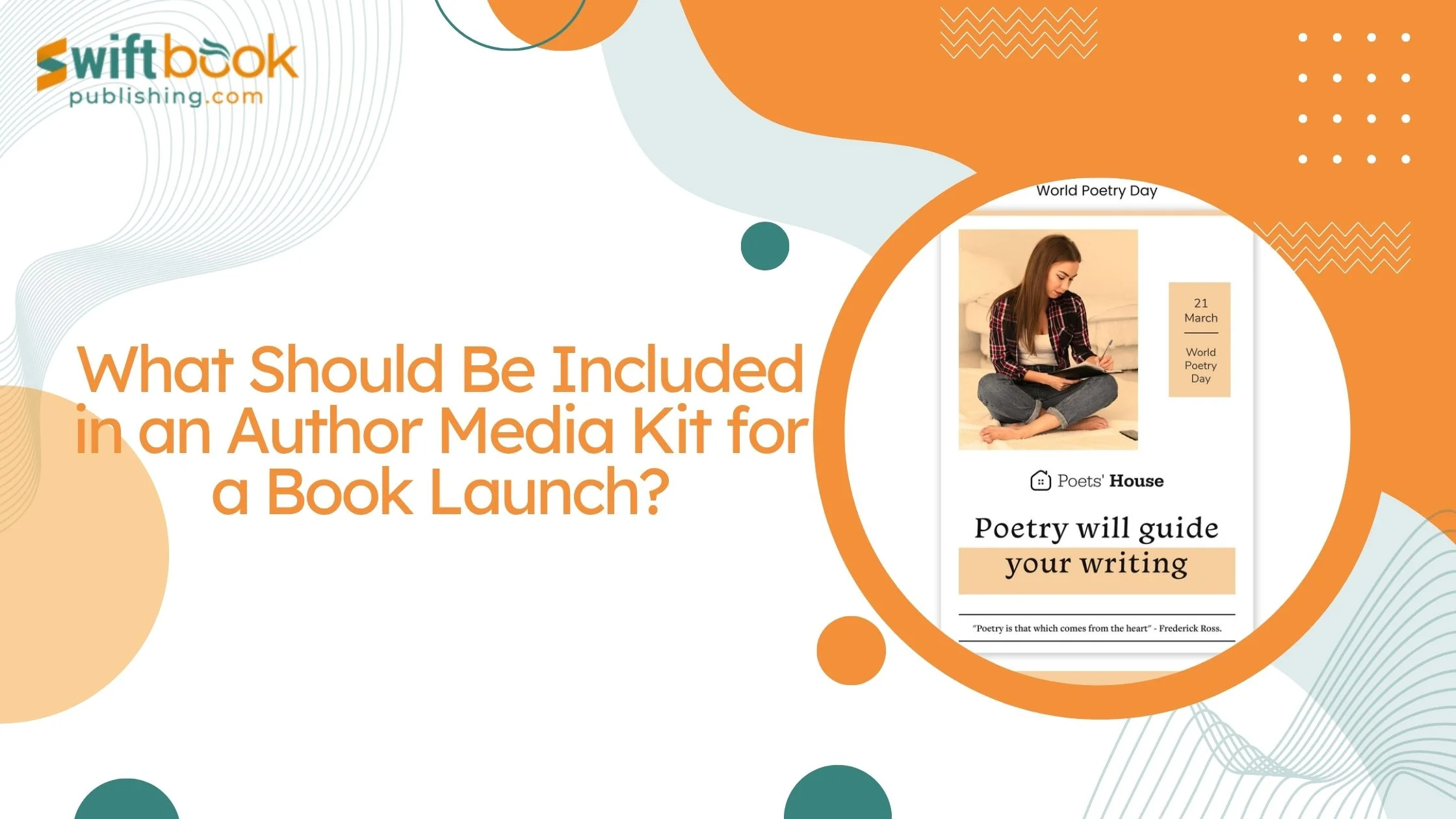
A professional media kit gives journalists, podcasters, bloggers, bookstores, and reviewers the information needed to feature an author and a new book. An effective author media kit for book launch outreach should be accurate, easy to scan, visually consistent, and simple to download. It cannot guarantee coverage, but it can make the pitching process easier.
The Purpose of a Media Kit
A media kit supports publicity by providing ready-to-use information. A podcast host may need a biography and interview topics, while a bookstore may want a summary, price, and event information.
Professional Book Marketing Services may help prepare these assets and identify suitable outlets. Independent authors can use a PDF, shared folder, or dedicated website page. The kit’s purpose is to make coverage easier.
Short and Long Author Biographies
Include a short biography of about 50 to 75 words and a longer version of 150 to 200 words. Both should be written in the third person because media professionals often reuse them in articles, event listings, and show notes.
The biography should mention the author’s relevant background, expertise, previous work, awards, location, and connection to the book. Leave out details that do not support the author’s public positioning.
Writers learning How to Build an Author Brand Before Launch should make sure the biography matches the tone used on the website and social channels. A business author may emphasize professional experience, while a novelist may focus on genre, publications, and creative influences.
Professional Headshots and Book Images
Provide at least one high-resolution headshot, preferably with vertical and horizontal options. Include a high-resolution front cover and a transparent cover image when available. Add photographer or designer credits when required.
Writers reviewing How to Market a Book as a First-Time Author should treat these images as long-term brand assets. Screenshots and heavily filtered photos can make a campaign appear unfinished.
Complete Publication Details
Create a clear fact sheet containing:
- Full title and subtitle
- Author name
- Publication date
- Publisher or imprint
- Available formats
- ISBNs
- Page count
- Genre or category
- Retail price
- Purchase links
The listed price should match the current book pricing strategy self publishing plan. If a preorder discount or temporary launch price applies, include the correct dates.
Authors pursuing library distribution for self published authors should list the ISBN for each format and identify the wholesale channels through which libraries and bookstores can order the title.
A Short Summary and Longer Synopsis
Prepare a short summary of about 100 words and a longer synopsis of 250 to 350 words. The short version suits event pages and media listings, while the longer version gives reviewers more context.
The summary should remain consistent with the Amazon book description without copying it. For fiction, introduce the protagonist, conflict, setting, and stakes. For nonfiction, explain the problem, intended reader, central argument, and practical value.
Themes and Interview Talking Points
Include three to six themes that could support interviews, guest articles, panel discussions, or podcast conversations. A memoirist might discuss identity or resilience. A leadership author may address workplace trust or decision-making. A novelist might discuss research, genre conventions, or a social issue explored in the story.
These themes should reflect thoughtful Target Audience Research. Topics that matter to the book’s likely readers are more useful than general statements about writing.
Authors studying How to Write a Marketing Plan for a Book can use the same themes across emails, social content, interviews, advertising, and partnerships.
Suggested Interview Questions
Provide eight to twelve questions about the book’s inspiration, intended reader, research, themes, lessons, and future projects. Suggested questions save preparation time and help guide interviews without sounding overly promotional.
Questions may include:
- What inspired you to write this book?
- Who did you have in mind while writing it?
- Which part of the research surprised you most?
- What do you hope readers take away from the book?
- How does this book differ from others in its genre?
- What challenges did you face during the writing process?
The author should prepare natural answers without memorizing a strict script. Interviews usually feel more engaging when the conversation remains flexible.
Reviews and Advance Praise
Include three to five strong endorsements, editorial reviews, or advance reader comments. Each quotation should be authentic, concise, and clearly attributed.
An ARC reader team can help generate early feedback, but authors must follow retailer review policies. Never require positive reviews or present paid promotion as independent reader praise.
Select comments that highlight specific strengths, such as emotional impact, originality, practical value, research quality, or pacing. Avoid filling the media kit with long or repetitive testimonials.
Press Release and Previous Coverage
Add a current press release announcing the book, an event, an award, or another newsworthy development. Keep it as a separate file so it can be updated without rebuilding the full media kit.
Include links to relevant podcast appearances, articles, interviews, reviews, and speaking engagements. Understanding Why Book Promotion is Important for New Authors makes this section especially valuable. Early coverage builds credibility and provides material that can be reused in later campaigns.
Authors without previous coverage can include confirmed appearances, upcoming events, guest articles, or relevant professional achievements instead.
Website and Contact Information
List the author’s website, preferred social profiles, public email address, and representation details when applicable. Add a visible Contact Us link if the media kit is hosted on the author’s site.
The website should also make it easy to find the book page, biography, upcoming events, media coverage, and retailer links. Test every link before beginning outreach.
Avoid listing inactive social media accounts. It is better to provide two updated profiles than several abandoned ones.
Launch and Advertising Support
Briefly mention confirmed events, newsletters, partnerships, interviews, or advertising. Authors learning How to Advertise Your Book do not need detailed campaign reports. A short overview can show that the release has active support.
Retail discoverability also depends on accurate categories, metadata, and KDP keywords for books. Finalize them before publicity sends visitors to the sales page.
A media feature can generate interest quickly, but potential readers may leave if the retailer page contains an unclear description, incorrect pricing, or missing format information.
Formatting and Updating the Kit
Use consistent fonts, colors, spacing, headings, and image styles. A PDF is convenient for email, while a web-based press page is easier to update. Offer high-resolution images and supporting documents as separate downloads.
Use descriptive file names so media contacts can identify assets easily. A file named “Author-Name-Book-Cover.jpg” is more useful than one labeled “IMG0045.jpg.”
Review the kit before every major campaign. Update prices, links, endorsements, event details, formats, and recent coverage. Outdated information can create confusion and weaken professional credibility.
Frequently Asked Questions
How long should an author media kit be?
The main kit is usually two to five pages. Images, press releases, sample chapters, and other large assets can be provided as separate downloads.
Should a debut author create a media kit?
Yes. A debut author can include a biography, headshot, cover, summary, publication details, talking points, interview questions, and contact information before release.
Should a sample chapter be included?
A sample chapter can be offered separately when it supports review or interview opportunities. Avoid attaching the full manuscript or a large file to every pitch.
Is a media kit the same as a press release?
No. A press release announces a specific development. A media kit provides reusable background information and promotional assets. The press release may be included within the kit.
Where should the media kit be hosted?
A dedicated media or press page on the author’s website is usually best. A cloud folder can provide backup access to large files.
How often should an author update the media kit?
Review it before each major campaign and every few months during active promotion. Update broken links, prices, formats, reviews, awards, appearances, and contact details.